

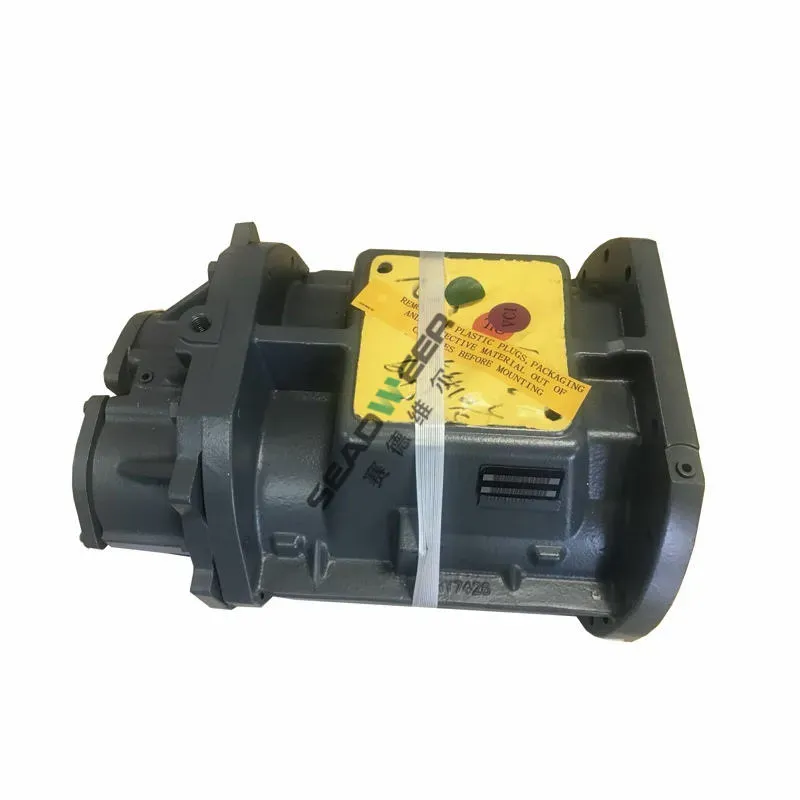
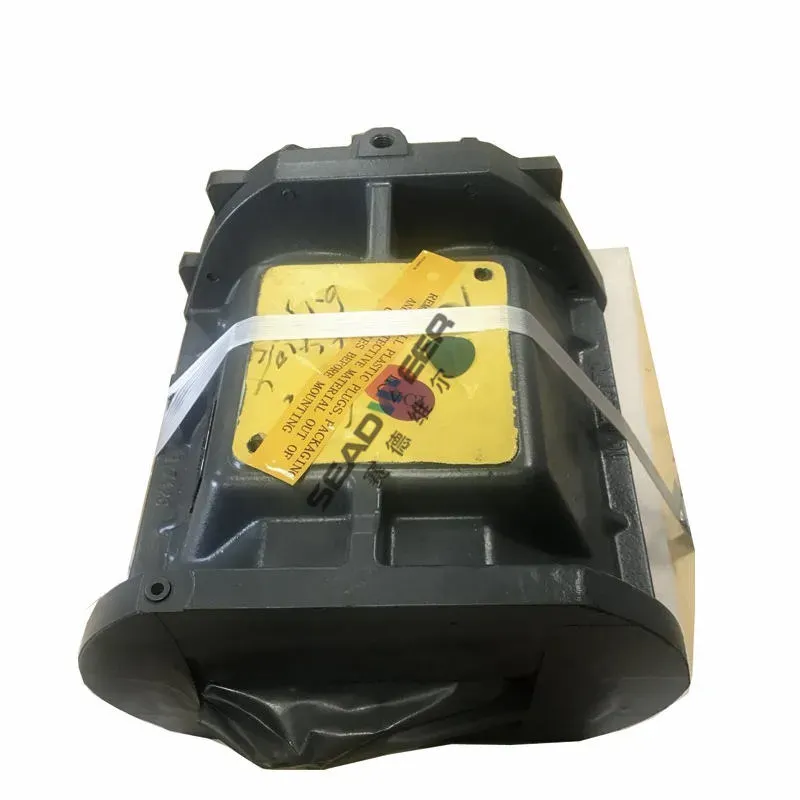
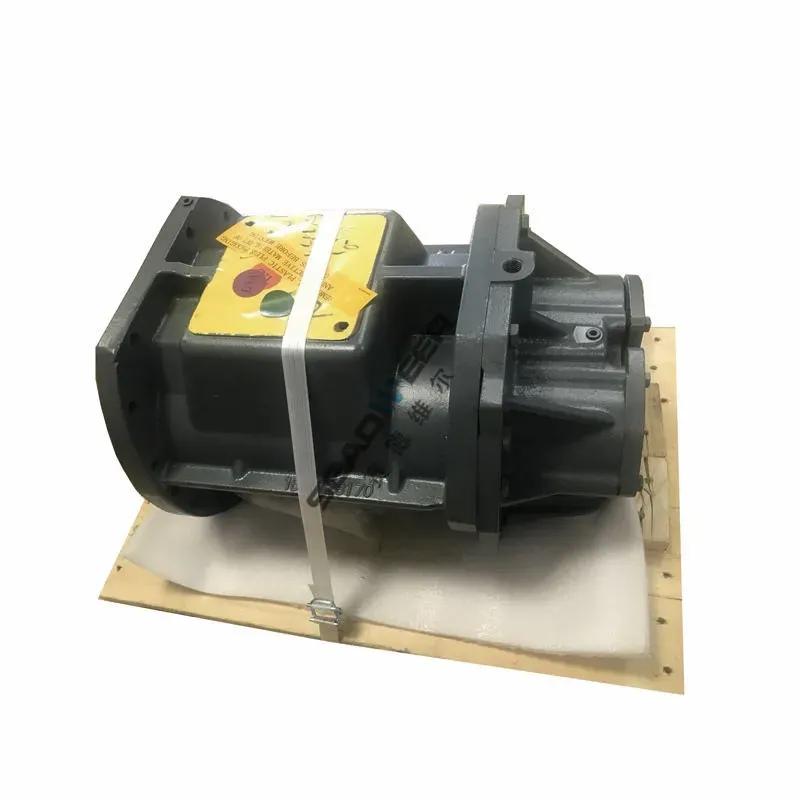
Description
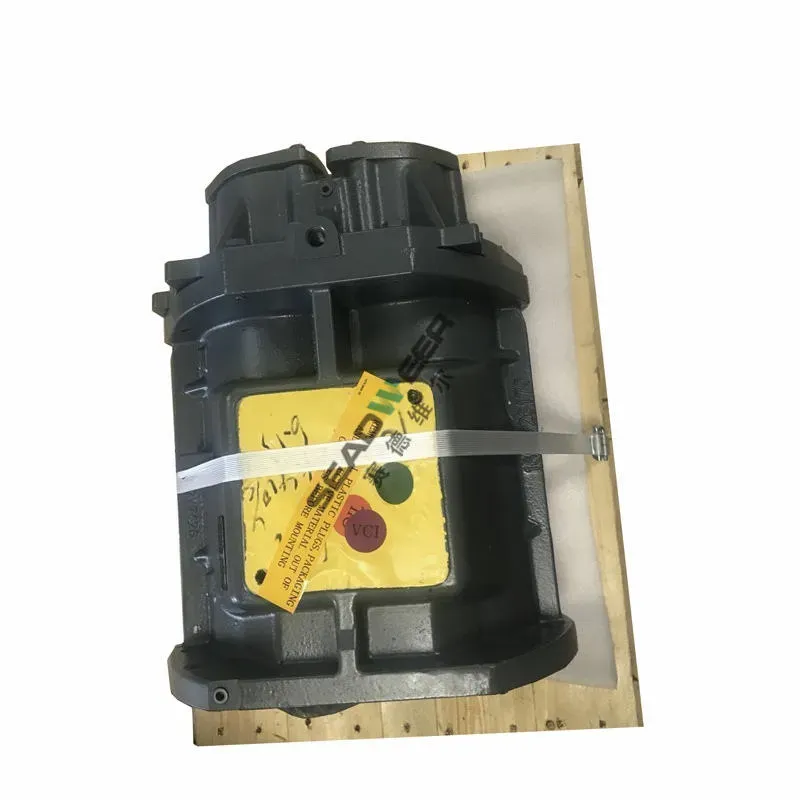
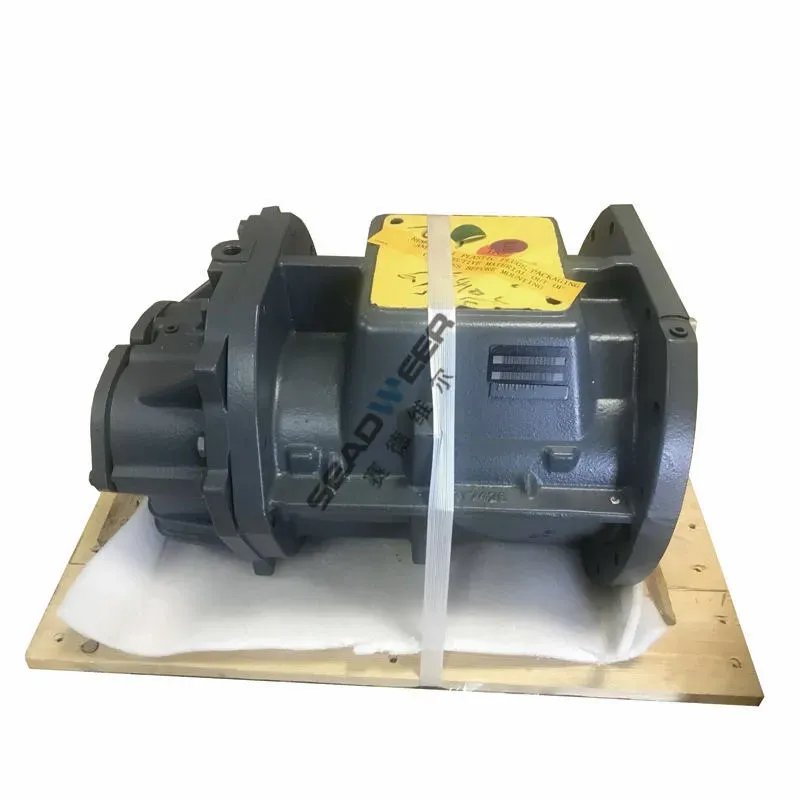
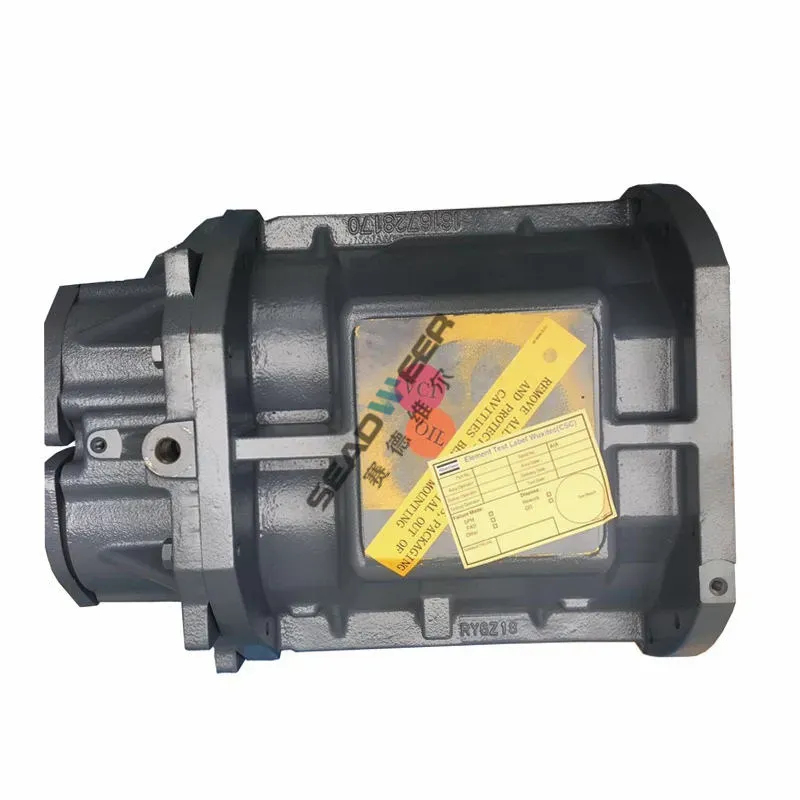
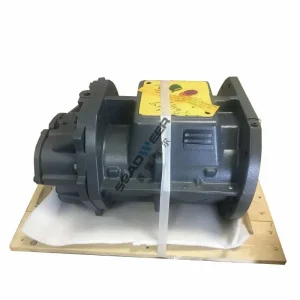
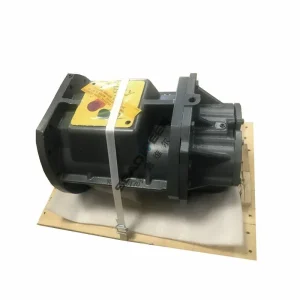
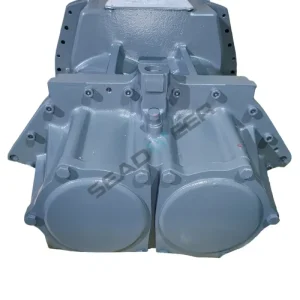
The Atlas Copco 1303002090 is the S111 OIS K-70 oil-injected screw element, the compression stage inside an Atlas Copco S111-series rotary screw compressor. Air enters the element at ambient pressure, two intermeshing rotors carry it through the compression cycle, and the discharge port delivers the full output of the machine. The element sets what the compressor can do: its free air delivery, its working pressure and the energy it draws per unit of air.
The 1303002090 is supplied through the service channel as a replacement element. Atlas Copco classifies it under rate group S3K, oil-injected screw element, and builds it in China. Each unit leaves the factory with its own serial number, so the element can be traced back through the supply record and logged against the machine it is fitted to.
Product Overview
An oil-injected screw element does one job. It raises ambient air to a working pressure and delivers it at a steady rate, without the pulsation a reciprocating machine produces. The 1303002090 is the service listing for the K-70 size class within the S111 element series.
The element is the core of the compressor, not a consumable. Air filters, oil filters, the separator element and the lubricant are renewed around it on a service schedule. The element itself stays in the machine, and its internal condition decides how much air the compressor delivers for the energy put in. When output drops and the rest of the package tests sound, the loss is inside the element, and the 1303002090 is the part that restores the delivery the machine was built for.
Technical Specifications
The tables below list the identification data recorded for the 1303002090, followed by the dimensions used for shipping and lift planning.
Part Identification
| Parameter | Value |
|---|---|
| Service part number | 1303002090 |
| Production part number | 1303002080 |
| Element designation | S111 OIS K-70 |
| Product type | Oil-injected screw element |
| Rate group | S3K Oil injected screw, Element |
| Brand | Atlas Copco |
| Country of origin | China |
| Customs tariff code | 8414900090 |
| Sales unit | Piece |
| Serialized | Yes |
| Reference price | 22,541.79 EUR |
Dimensions and Weight
| Parameter | Value |
|---|---|
| Item length | 53 cm |
| Item width | 33 cm |
| Item height | 24 cm |
| Item weight | 98 kg |
| Order pallet | No |
Element Designation and Part Numbers
The designation S111 OIS K-70 carries three pieces of information. S111 identifies the element series. OIS stands for oil-injected screw, the compression principle the element uses. K-70 identifies the size class within the S111 series, which is what ties the 1303002090 to a specific capacity band rather than to a universal element.
Atlas Copco lists this element under two numbers. The number 1303002080 is the production code, the number recorded against a compressor built with this element on the line. The number 1303002090 is the service code used when the element is ordered as a spare. Both numbers identify the same S111 K-70 element.
Ordering the service code returns the current revision of the genuine part. The mounting faces, the shaft interface, the oil port positions and the fitment are unchanged, so a team that reads 1303002080 from an existing machine can order 1303002090 and fit it without any adaptation work.
Construction and Operating Principle
Rotor Set and Compression Chamber
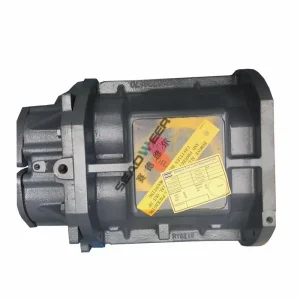
The element holds a male rotor and a female rotor turning in opposite directions inside a machined housing. The rotors do not touch each other or the housing wall at any point in the cycle, and the rotor pair is kept in step by its own geometry rather than by contact. The clearance between them is filled by the oil film during operation.
Air enters through the inlet port and fills the groove between the two rotors. As the rotors turn, the meshing point travels along the rotor length and closes the groove, trapping the air. Continued rotation shortens the pocket, and the pressure inside it rises. The pocket then reaches the discharge port and the air leaves the element for the separator vessel.
Each pocket follows the same path and the cycle repeats continuously, which is what gives the 1303002090 its steady, low-pulsation delivery.
Bearings and Axial Load
The rotors run on bearings carried in the element end covers. In the 1303002090 the bearings take the radial load from the gas pressure and the axial load generated as the pressure builds along the rotor length, holding the rotor position in both directions.
Shaft sealing separates the two circuits at the rotor ends. Oil stays in the bearing and injection circuit, and air stays in the compression chamber. The sealing holds a thin film between the sealing faces and the shaft, so it does not run in metal-to-metal contact.
Functions of the Injected Oil
Inside the 1303002090, oil enters the compression chamber through a port in the housing and does three jobs at once.
It seals the clearance between the rotors and between each rotor and the housing wall. Without that film, compressed air leaks back towards the inlet and the element loses volumetric efficiency.
It carries away the heat of compression, so the discharge temperature stays inside the limit the compressor is designed for.
It reaches the bearings and the rotor mesh and keeps a lubricating film on every moving surface. After discharge the oil is separated from the air, cooled, filtered and returned to the injection point.
Ordering the Correct Element
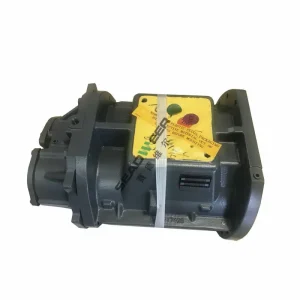
Two pieces of information lock an order down quickly: the part number and the machine it is going into. The part number is read from the existing element or from the machine parts list, and reads 1303002090 or the production code 1303002080. The machine is identified by the model and serial number on the compressor nameplate.
Sending both together lets the parts desk confirm that 1303002090 is the right element in one pass, instead of going back and forth. Where the number on the old element is worn or missing, the nameplate alone is enough, because the spare parts list for that serial number names the element.
Plants running several machines of the same family keep a short record for each one: model, serial number and element number, noted the last time the machine was opened. That record turns the next enquiry into a single message with a confirmed answer.
Handling and Installation
Keep the protective caps on the inlet and discharge ports until the moment of fitment. Grit or moisture reaching the rotor faces or the bore scores the rotors on the first start, and the damage cannot be undone.
At 98 kg the 1303002090 is handled with lifting equipment and a second person rather than carried by hand. The element measures 53 cm by 33 cm by 24 cm, so it moves through a standard door and onto a bench, but it is still a precision assembly and is set down square, never rolled onto its shaft.
Lower the element onto its mounting faces, line it up with the inlet and discharge ducting, and torque the fasteners to the values in the compressor manual. Confirm the shaft alignment and the rotation direction before the first start.
Because the 1303002090 is an oil-injected element, its bearings run on the compressor’s own oil circuit. Fill the machine with the specified lubricant, check the oil level, and run the compressor unloaded while the discharge temperature, the oil pressure and the vibration at the bearing housings are watched. Re-torque the coupling and mounting bolts after the first running hours, at the interval the manual states.
Condition Monitoring and Replacement Planning
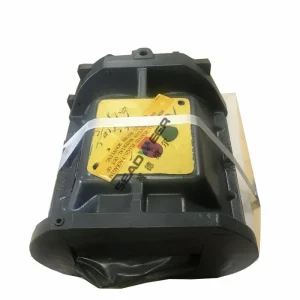
An element wears gradually, and the change appears in four readings. Free air delivery falls at the same rated pressure. Discharge temperature rises under the same load and ambient condition. Power drawn per unit of air delivered increases. Vibration and noise at the element housing grow at a steady load.
Any one of those readings, taken once, means little. Recorded at a fixed interval, they form a trend, and the trend is what turns an unscheduled failure into planned work. Oil analysis adds a second line of evidence, because wear debris in the oil shows up before the vibration reading moves.
A weak element also loads the rest of the compressor harder than it was sized for. The drive train, the oil circuit and the downstream air treatment all work against a falling delivery, so replacing the 1303002090 at the right point protects those components as well as restoring output.
When an element reaches the end of its service life, the choice is between a workshop rebuild and a new element. A rebuild keeps the original rotors and housing and renews the bearings, seals and gaskets, and it suits a unit whose rotors and housing show no scoring or pitting. A new 1303002090 returns the element to its original specification with new bearings and the current revision level in one step. The decision follows a teardown inspection and a clearance measurement by a qualified technician.
FAQ
Is the 1303002090 the same as the 1303002080?
Both numbers identify the same S111 K-70 oil-injected screw element. The number 1303002080 is the production code recorded when the compressor was built, and 1303002090 is the service code used to order a replacement. Fitment is identical between the two, so ordering the 1303002090 brings the same element the machine was built with.
What do S111, OIS and K-70 mean?
S111 identifies the element series, OIS stands for oil-injected screw, and K-70 identifies the size class within the S111 series. Together they tie the 1303002090 to a specific element size and build rather than to a universal part.
How do I confirm the 1303002090 fits my compressor?
Match the number on the existing element, which will read 1303002090 or the production code 1303002080, and confirm the machine is an S111-series rotary screw compressor. The spare parts list for the machine serial number is the record that names the element. Send us the nameplate details and we will confirm the match before you order.
What details should I send with an enquiry?
Send the part number read from the existing element, which reads 1303002090 or the production code 1303002080, together with the model and serial number from the compressor nameplate. With both in hand the parts desk confirms the match in one pass and the order goes through without a second round of questions.
How is the element handled on arrival?
The 1303002090 weighs 98 kg and measures 53 cm by 33 cm by 24 cm. It is moved with lifting equipment and a second person, stored indoors with the port caps in place, and kept sealed until the moment of fitment.
Should the element be rebuilt or replaced?
A rebuild keeps the original rotors and housing and renews the bearings, seals and gaskets, and it suits a unit with no scoring or pitting on the rotors or housing. A new 1303002090 returns the element to its original specification in one step. The decision follows a teardown inspection by a qualified technician.
Genuine Atlas Copco Supply from Seadweer
Seadweer supplies genuine Atlas Copco products to customers worldwide. The range covers complete machines, including oil-injected screw compressors, oil-free air compressors, portable air compressors, drill rigs, nitrogen generators and piston compressors. On the parts side we supply core components such as screw elements and motors, service items including valves and filter elements, and the maintenance kits that group those items into a single planned stop.
Every 1303002090 element we supply is a genuine Atlas Copco part, delivered with the part number and serial number intact and in the packaging the factory specifies. Send us the model and serial number from your compressor nameplate and our parts desk will confirm that the 1303002090 is the correct element before you place the order. We also quote the related service items for the same stop, so the element, the lubricant, the filters and the seals are ordered together.



Daniel Okonkwo –
We ordered the 1303002090 against the number on the old element and had the match confirmed before payment. The part arrived sealed and crated, with the serial plate in place for our records. It went in during a weekend shutdown and the compressor came back to its normal delivery. We keep the number on file so the next overhaul starts from a confirmed part.