




Description
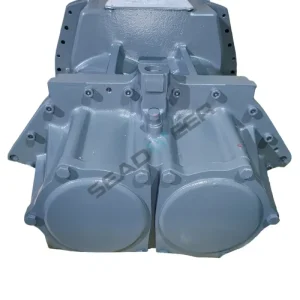
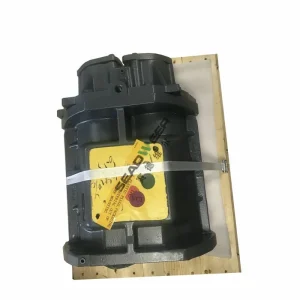
The 1616719490 is the OIS K-38 service stage, the oil-injected screw element supplied through the Atlas Copco service channel. Its designation says more at a glance than most: OIS marks the Oil-Injected Screw family, K-38 places the unit in its size class, and the words SERVICE STAGE state exactly what the unit is for — a complete compression element, factory-assembled, delivered to be exchanged with the worn one. The stage measures 55 x 40 x 38 cm and weighs 105 kg, a mid-class package that sits between the hand-carried compact elements and the crane-planned large formats.
This page records the identification and physical data for the 1616719490, explains how its two ordering numbers work, and describes what an oil-injected screw stage does, how wear shows in the operating data, and what fitting a 105 kg service stage involves. It is written for the maintenance planner and the parts buyer who are arranging a renewal and need the whole picture in one place — and it keeps the 1616719490 in view through every step, because that number is what the order, the delivery and the maintenance record will all carry.

What OIS K-38 SERVICE STAGE Means
Three parts make up the designation. OIS is the Atlas Copco family mark for Oil-Injected Screw elements — the branch of the range where oil is injected into the compression chamber to seal the rotor clearances and carry away heat. K-38 identifies the size class within that family. SERVICE STAGE is the channel word: it says this unit is built and packaged for the service exchange, with the bearings, seals and rotor clearances factory-set, rather than sold as a bare component. Every part of the designation is confirmed the moment the plate is read, because the 1616719490 appears there with the serial — the plate is where the designation and the ordering number meet in one place.
The Companion Number: 1616719480
The 1616719490 has a companion number, 1616719480 — the production reference for the same K-38 stage. The two exist because the element serves two systems: machines shipped from the factory carry the production number in their parts lists, while the service channel orders and supplies against the service number. Neither replaces the other, and neither is a second part; they are two references for one stage, each keyed to the documentation where it belongs. Knowing both, and knowing which one each situation calls for, is what keeps an enquiry from stalling between departments.
For purchasing, the service number is the one that goes on the order. Quotations, order confirmations and the service documentation all key on the 1616719490, so quoting it in the first message puts the enquiry on the right track from the start. The production number has its own job: it is the reference to quote when reading a machine parts list or checking which stage was fitted when the compressor left the factory. Send either number together with the machine nameplate details and the identification closes in a single pass, with the 1616719490 confirmed as the reference the order will carry.

Technical Specifications
The tables below list the data recorded for the 1616719490 as supplied through the service channel.
Part Identification
| Parameter | Value |
|---|---|
| Item number | 1616719490 |
| Description | OIS K-38 SERVICE STAGE |
| Product group | Oil-injected screw element |
| Country of origin | Belgium |
| Tariff code | 84149000 |
| Serialized | Yes |
Dimensions and Weight
| Parameter | Value |
|---|---|
| Length | 55 cm |
| Width | 40 cm |
| Height | 38 cm |
| Weight | 105 kg |
Each 1616719490 leaves the factory serialized, and the number on the plate ties the physical stage to its documentation through installation and every service event after it. Keep the serial together with the machine’s maintenance file: when the next renewal is being planned, the file states exactly what is fitted, when it went in, and which of the two ordering references the current supply was booked against. A complete file turns the next 1616719490 enquiry into a one-message confirmation instead of a round of identification.

How an Oil-Injected Screw Stage Works
In the OIS family, the compression principle and the lubrication system are one design. Air enters the inlet port, the meshed helical rotors reduce its volume as the chambers turn, and oil is injected into the chamber along the way — it seals the clearances between the rotors and the housing, absorbs the heat of compression, and leaves with the air to be separated and cooled in the machine’s circuit before returning to injection. The air that leaves the stage passes through separation, so the delivered air is oil-metered, not oil-free; that distinction is exactly what the OIS mark against OFS and OFT encodes.
The rotors themselves never touch. They run in a non-contact gap, and the components that carry the loads are the bearing sets and shaft seals around them. Because the oil handles the sealing and cooling, these are the parts that age: bearings wear with hours and load, seals age with temperature and time. That is why the condition of an oil-injected stage is read through its output, and why the renewal replaces the complete internal assembly rather than adjusting the parts around it — a service stage restores every load-bearing component at once, factory-set. The 1616719490 is that restoration in a single part number.
For the planner, the practical meaning is simple. The wear is internal, and the fix is an exchange. The 1616719490 arrives with the bearings, seals and clearances already set at the factory, so no on-site rebuild sits between the delivery and the return to rated output. What the exchange restores is not only output but the whole internal condition of the stage: new bearings behind the rotors, new seals at the oil boundary, and rotor clearances back to the values they left the factory with.

Wear Signals and the Renewal Decision
An oil-injected stage gives early warning through the machine’s own data. Free air delivery slips against the same power input. Specific energy climbs, so the compressor pays more kilowatt-hours for each cubic meter of air. Discharge temperature drifts upward as the internal clearances begin to leak, and noise or vibration at the air end sharpens as bearing clearances grow. Every one of these readings has alternative causes in the surrounding system, so the coolers, separator and filters are ruled out first and the 1616719490 is charged with the fault only when the readings point its way.
The trend line is what settles it. A slow climb across months of logs tells one story; a step change after a separator or cooling fault tells another, and the log separates the two. When the trend points at the stage, the 1616719490 goes on order while the service window is being set, and both are ready together. Running a worn stage to the end of its life is the one outcome worth ruling out: bearing damage in a screw element does not stop politely, and the repair that follows an internal failure costs far more than the planned exchange ever would. Renewing on condition — with the 1616719490 fitted inside a booked window — keeps the timing in the hands of the maintenance calendar and restores rated delivery in one operation.
Handling and Fitting a 105 kg Stage
At 105 kg the 1616719490 sits in the mid-class of handling: beyond what a technician pair lifts by hand, well inside what a shop crane, engine hoist or pallet-truck-and-slings arrangement moves without special rigging. The route from delivery point to machine is walked before the window opens, the lifting gear is checked against the weight, and the old stage’s way out is agreed at the same time. The new unit stays crated and capped until it stands at the machine, so nothing enters the chamber on the way in.
The fitting itself follows the compressor manual: mounting faces cleaned, drive connection aligned, fastener torques set to the manual’s values, oil circuit reconnected. The serial numbers of the old and new stages, with the 1616719490 reference recorded alongside each, go into the maintenance record before the machine is closed up. Fitted this way, the 1616719490 exchange fits inside a scheduled service stop measured in hours rather than days — the stage goes in as one complete factory-set assembly, so the time in the window is spent on connections and checks, and the compressor returns to load the same day.

Ordering the Correct Stage
Two details close the identification: the stage number and the machine. The 1616719490 is read from the plate on the old stage, from the service documentation or from a previous quotation, and the compressor is identified by the model and serial number on its nameplate. Where the plate has worn past reading, the nameplate details still identify the machine, and the parts documentation for that serial carries the element reference — in either direction, one message with those details is enough to confirm the 1616719490 match and prepare the quotation.
If the production number 1616719480 is what the machine’s parts list shows, it points to the same stage: send it as it appears, and the service reference for ordering is returned with the confirmation. Either number, sent with the machine details, ends in the same place — the correct 1616719490 on order and the changeover scheduled into the window the maintenance team has set.
FAQ
What does OIS K-38 SERVICE STAGE stand for?
OIS is the Atlas Copco family mark for Oil-Injected Screw elements, K-38 identifies the size class, and SERVICE STAGE states the supply form: a complete, factory-set element built for service exchange. The ordering reference is 1616719490, and that number identifies the part in quotations, order confirmations and the service documentation.
What is the difference between 1616719490 and 1616719480?
They are the two references for the same K-38 stage: 1616719490 is the service number used for ordering and supply, and 1616719480 is the production number carried in the machine’s parts list. Neither is a separate part — send whichever one your documentation shows, together with the machine details, and the correct stage is confirmed either way.
How is an oil-injected stage different from an oil-free element?
In an oil-injected stage, oil is injected into the compression chamber to seal the rotor clearances and carry away heat, and the delivered air passes through separation afterward. In the oil-free families (OFS and OFT), the chamber stays completely dry. The family mark on the designation — OIS versus OFS or OFT — tells you at a glance which principle the element works on.
What handling does a 105 kg service stage need?
A shop crane, engine hoist or pallet-truck-and-slings arrangement — beyond hand lifting, well inside standard workshop equipment. The 1616719490 stays crated and capped until it stands at the machine, and the whole exchange fits inside a scheduled service stop measured in hours.
What happens if a worn stage stays in service?
Delivery and efficiency fall first, and the machine pays more energy for the same air. Bearing damage inside a screw element does not stop politely — the failure that follows costs far more than the planned exchange. Renewing the 1616719490 on condition avoids the unscheduled stop and restores rated output in one planned operation.
Is the stage supplied as a complete assembly?
Yes. The 1616719490 arrives as one factory-set unit with the rotor pair, bearings and shaft seals in place and the clearances set at the factory, so the renewal is an assembly exchange with no on-site internals work. The unit is serialized, and the plate number links it to its documentation through installation and service.




Emmanuel Kiprop –
Our GA unit had been slipping on delivery for a while, so we photographed the plate on the old element and sent the 1616719490 with the machine details in one message. The match was confirmed the same day. The new 1616719490 went in during a planned stop — the shop crane handled the 105 kg without drama, and the compressor was back on load before the shift ended. The log since then reads exactly the way it should.