




Description
The 1616725791 is the OIS-N-02 service element for an Atlas Copco mobile oil-injected screw compressor. On a towable or truck-mounted machine, the element does the same job it does in a plant room — it compresses the air — but it does it while the machine travels between jobsites, runs in open air and feeds tools that draw hard against the regulator. When the 1616725791 reaches the end of its service life, the whole machine loses its output, whatever the engine still delivers.
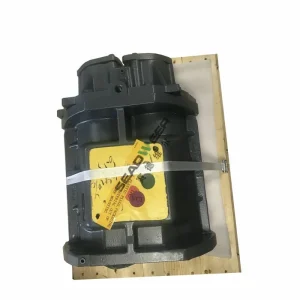
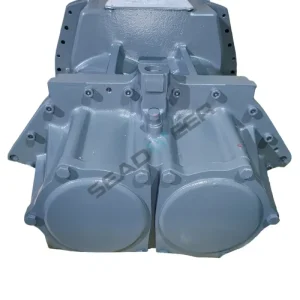
This stage renews the compression section in one operation. Housing, matched rotor pair, bearings and shaft seals arrive as a single assembly of 88 x 64 x 45 cm and 325 kg, built to the geometry the machine was designed around. The 1616725791 replaces the element fitted on the line and brings the compressor back to the free air delivery and working pressure it left the factory with.
The sections below set out what the OIS-N-02 designation covers, what a mobile duty cycle asks of a compression element, how the stage does its work, and how a renewal is identified, planned and carried out.

What the OIS-N-02 Designation Covers
OIS stands for Oil-Injected Screw, the family of elements that compress air with oil present in the chamber. The letter and number after the family name place the element within that family: the N series is the mobile-compressor branch, and -02 marks the size class the 1616725791 occupies within the series. Parts documentation lists the OIS-N-01 alongside it, which shows the designation behaves as a series label rather than a single part’s name.
That distinction has a practical edge. Two elements that share the OIS name do not share a fitment, and the gap between N-01 and N-02 is exactly the kind of gap a designation alone cannot close. The part number does. The 1616725791 identifies this element, this size class and this configuration, and quoting the 1616725791 removes the selection from guesswork entirely.
Technical Specifications
Part Identification
| Parameter | Value |
|---|---|
| Part number | 1616725791 |
| Matching production number | 1616725781 |
| Description | OIS-N-02 Service Element |
| Rate group | S3K Oil injected screw, Element |
| Element type | Oil-injected screw |
| Brand | Atlas Copco |
| Sales unit | PC |
| Serialized | Yes |
| Country of origin | BE |
| Tariff code | 8414900090 |
Two numbers travel with this element. The 1616725791 is the service number, used when the element is ordered as a replacement part. The 1616725781 is the matching production number, the reference the element carries in the machine’s own parts documentation. They identify the same OIS-N-02 unit, and an enquiry that mentions either the 1616725791 or the 1616725781 can be cross-checked against the other in a single pass.
Dimensions and Weight
| Parameter | Value |
|---|---|
| Length | 88 cm |
| Width | 64 cm |
| Height | 45 cm |
| Weight | 325 kg |
The 325 kg mass and the 88 x 64 x 45 cm footprint place the 1616725791 in the class of element that a two-person crew handles with lifting gear rather than by hand. That fact shapes the renewal plan later in this article, and it is worth having the numbers on hand before the shutdown is scheduled.

An Element on the Road
A stationary compressor spends its life in one room, fed filtered air and watched by the same technicians year after year. A mobile compressor lives differently. The machine rides on a trailer or a truck bed, takes the vibration of the road, and then works in the open: dust on a construction site, heat in a summer quarry, cold at a winter start-up. The 1616725791 sits at the center of that life, and every one of those conditions reaches it.
The duty cycle is harder too. Mobile machines are asked for full output in short, sharp bursts — a breaker for twenty minutes, a sandblaster for an afternoon — and then idled or shut down between calls. The element heats and cools through those cycles, and its oil circuit works through the same swings. The 1616725791 is specified for this duty: its working day includes the drive to the job.
Renewing the element with a genuine 1616725791 restores the rotor geometry, the bearing set and the seal arrangement the machine was built with, and it returns the machine to the output its rating plate promises. For a rental fleet or a contractor whose compressors earn their keep by the day, that restoration is the difference between a machine that performs and one that merely runs.

How the Stage Compresses
Air enters the housing through the inlet as the male rotor’s lobes open the interlobe spaces, and the meshing female rotor closes those spaces as the pair turns. Each pocket of air travels from the intake end toward the discharge port while the volume around it shrinks, and the pressure rises with the shrinking volume. The compressed air leaves through the discharge port at the pressure the machine’s control system holds.
Oil is injected into the chamber during compression and works three jobs in a single pass. It seals the running clearances between rotors and housing, it carries away the heat the compression generates, and it lubricates the bearing sets that carry the rotor loads. The oil leaves the 1616725791 mixed with the air, is separated downstream, cooled and returned to the injection point. The loop is closed, and the element sits at the head of it.
The rotors run on bearings carried in the stage end covers, and those bearings take both the radial load and the axial forces compression produces. The shaft seals keep the oil on the lubricated side and the air on the compression side. Bearings and seals are the renewal items inside the 1616725791, and the service element renews them together with the rotor pair rather than one piece at a time.

Reading the Element’s Condition
An oil-injected element wears slowly, and the operating data moves before the machine ever stops. Free air delivery falls against the same engine speed and power input. Discharge temperature drifts upward as clearances open and compression efficiency drops. Fuel burn per cubic meter of air climbs on a diesel-driven machine, and noise at the element sharpens as bearing clearances grow. On a mobile compressor these readings are easy to log, because the machine is already being watched at every refuel — and a 1616725791 renewed on the evidence of those logs costs far less than one discovered after a breakdown.
Each of those signals has other candidates in the surrounding system. A leaking hose, a loaded intake filter, a fouled oil cooler or a control fault can each imitate element wear, so the surrounding system is checked first and the element is confirmed by inspection. The order matters: it is cheaper to clean a filter than to lift a 325 kg assembly, and the diagnostic sequence exists to catch the cheap cause before the expensive one. Only when the system checks out does the 1616725791 go on order.
When the readings do point at the element, the renewal is scheduled rather than reactive. The 1616725791 is ordered against a confirmed number, the shutdown window is set between jobs, and the change happens on the fleet’s calendar instead of in the middle of a contract. Fitting the 1616725791 at that point restores the readings the machine was producing when it was new.

Planning the Renewal
The physical facts set the plan. At 325 kg the 1616725791 needs lifting equipment rated for the full weight, and on a mobile machine the access around the compressor bay is tighter than in a plant room. The route from trailer to machine is walked in advance, the crane or hoist is positioned before the old element is broken loose, and the removal path is kept clear. Port caps stay on the 1616725791 until it is at the machine, and the unit is set down on its supports, never on a shaft end.
The refit follows the compressor manual: mounting faces cleaned, ducting and oil lines reconnected, fasteners torqued to the stated values, and fresh seals and gaskets fitted rather than reused. Because the 1616725791 runs on the machine’s oil circuit, the oil change and the separator check fall naturally into the same window, and the machine leaves the stop with a new compression section and a fresh oil system around it. The first start confirms what the renewal was for — the 1616725791 holding rated pressure, delivery restored, temperatures back in their normal band.
Ordering the Correct Element
Two pieces of information lock the order: the element number and the machine it is going into. The number is read from the plate on the old element, from the machine’s parts list, or from a previous quotation — the 1616725791 or its production counterpart 1616725781, whichever the paperwork carries. The machine is identified by the model and serial number on its nameplate, and together the two details place the 1616725791 in its exact service context.
Send the two details together and the match is confirmed in one pass, with the service and production numbers cross-checked against the documentation. Where the plate on the old stage has worn past reading, the nameplate details still identify the machine, and the parts list for that serial number carries the element reference. The order for the 1616725791 then proceeds with the identification already settled, and the renewal is scheduled into the window the maintenance plan has set.

FAQ
What does OIS-N-02 mean?
OIS is the Atlas Copco family name for oil-injected screw elements, and N-02 identifies this element’s size class within the N series used on mobile compressors. The ordering reference for the service element is 1616725791, with 1616725781 as its matching production number, and either number is enough for the parts desk to place the 1616725791 in its documentation.
Why does this element have two part numbers?
The 1616725791 is the service number, used when the element is ordered as a replacement. The 1616725781 is the production number used for the element fitted to the machine at the factory. Both identify the same OIS-N-02 unit, and the parts documentation carries both.
Which machines use the 1616725791?
It is the compression element for Atlas Copco mobile oil-injected screw compressors. Fitment varies across the mobile range and across build years, so the parts list for the machine serial number is the record that confirms the match. Send the model and serial number from the nameplate and the confirmation is made before the order is placed.
What happens if the element keeps running past its service life?
Output falls first. The machine reaches for its rated pressure but delivers less air, tools slow down at the point of use, and the engine works harder for what the element passes through. Running on does not improve any of this; it moves the machine closer to a stop that happens at a time the job chooses, not the maintenance plan — which is why the 1616725791 is fitted on a schedule rather than after a failure.
Can the element be rebuilt instead of replaced?
A rebuild renews the bearings, seals and gaskets but keeps the original rotors and housing, and it suits a unit whose internals inspect clean. A new 1616725791 returns the whole stage to specification in one step, with new bearings, new seals and current-revision rotors. For a machine that earns revenue by the day, the 1616725791 usually closes the decision, because the teardown and rebuild labour it avoids is time the compressor is off the road.
Is the 1616725791 serialized?
Yes. Each unit carries a serial number on the element plate, and that number links the physical stage to its supply and documentation record. Keep the serial with the machine’s service file after installation.
Genuine Atlas Copco Supply from Seadweer
Seadweer supplies genuine Atlas Copco compressors and original parts, from complete machines to core elements and service components. Send the 1616725791 reference together with your machine details and we will confirm the match and prepare the quotation.


Samuel Otieno –
We quoted the number from the element plate and the machine details from the nameplate in one message, and the match came back confirmed the same day. The 1616725791 arrived crated and sealed, with the serial plate in place for our service file. Our fitter lifted it in with the site crane during a scheduled stop, and the compressor went back to work holding its normal pressure. Clean transaction from enquiry to fit.