




Description
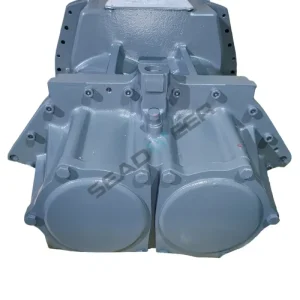
The 1616725790 is the OIS-N-01 service element for an Atlas Copco oil-injected screw compressor. It is the compression stage of the machine supplied for renewal: a complete assembly of housing, matched rotor pair, bearings and shaft seals, built to replace the element fitted on the production line. Fitting it restores the free air delivery and the working pressure the compressor was built for.
The stage measures 86 x 62 x 45 cm and weighs 325 kg, and it arrives as one unit rather than as loose internals. That is what makes it a service element: the wear-carrying parts are renewed together, the rotor geometry of the 1616725790 returns to specification, and the machine is reassembled around a compression section whose internal condition is new. For a plant that depends on one compressor line, that renewal is the difference between restoring the machine and watching its output drift away season by season.
The sections below cover what the designation means, how the two part numbers relate to each other, how the trade names for this component line up, and what a renewal involves from the first enquiry to the first running hours after the change.

What the OIS-N-01 Designation Means
OIS is the family name for Oil-Injected Screw elements across the Atlas Copco range. It marks the stages that compress air with oil present in the chamber, doing the sealing, cooling and lubrication jobs that an oil-injected design asks of its lubricant. The 1616725790 belongs to this family, and the letter and number that follow the OIS mark, N-01, identify its specific configuration — its size class and build.
The N series extends beyond a single size. Parts documentation also lists the adjacent OIS-N-02 service element, which tells you the designation is a series label rather than a one-off name. That is exactly why the full number matters: two elements that share the family name differ in the letter and number that follow it, and the difference between them is the difference between a stage that fits and one that does not. The complete number is the only reference that closes that gap on its own.
For ordering, then, the rule is simple. The designation tells the parts desk which family the enquiry is about, and the 1616725790 tells it which member of that family to pick. Quote the number, and the selection is made from the documentation rather than from memory.

The Service Number and the Production Number
Two numbers travel with this element, and they describe the same component from two directions. The 1616725790 is the service number — the reference used when the element is ordered as a replacement part. The 1616725780 is the production number — the reference for the element as it is fitted to the machine at the factory. The two identify the same OIS-N-01 configuration, and the parts documentation carries both.
In practice the number you have depends on where you read it. An element ordered as a spare carries the service number on its documentation. A parts list drawn up for the machine itself often shows the production number. An old quotation, a delivery note or a maintenance log can hold either one. This is why an enquiry works fastest with both on the table: whichever one you hold, the other can be cross-checked, and the 1616725790 goes on the order with the identification settled from two directions instead of one.
Sites that keep the pairing in their records save that step on every future order. When the element file for a machine lists the service number and the production number side by side, the next enquiry becomes a one-line message, and the confirmation comes back against both references without a chain of questions. The 1616725790 and the 1616725780 together describe one element, and a record that holds both never has to guess which one was meant.

Technical Specifications
The tables below record the identification and physical data for the 1616725790 as supplied through the service channel.
Part Identification
| Parameter | Value |
|---|---|
| Item number | 1616725790 |
| Description | OIS-N-01 Service Element |
| Production number | 1616725780 |
| Product group | Oil-injected screw element |
| Country of origin | Belgium |
| Tariff code | 8414900090 |
| Serialized | Yes |
Dimensions and Weight
| Parameter | Value |
|---|---|
| Length | 86 cm |
| Width | 62 cm |
| Height | 45 cm |
| Weight | 325 kg |
Each 1616725790 is serialized, and the number on the element plate links the physical unit to its supply record. Keep the serial with the machine’s maintenance file, and the element in the compressor can be traced back to the documentation that accompanied it for as long as the stage runs.

Element, Stage, Air End: What the Names Describe
Service literature for the 1616725790 uses three names, and they are worth telling apart. The element is the part itself — the rotor pair, housing, bearings and seals that perform the compression. The stage refers to the same assembly viewed as a section of the machine’s process: the point where air enters, is compressed, and leaves toward the separator and the outlet. Air end is the workshop term, widely used by the technicians who remove and refit the assembly, and it describes the same hardware from the mechanical side.
The 1616725790 appears in the parts documentation as a service element, and the same 1616725790 is called an air end in day-to-day service work. Nothing changes between the names except the point of view. Knowing all three helps when the enquiry starts from a conversation rather than from a document: a technician who says the air end is due, a planner who lists the stage, and a parts desk that supplies the element are all talking about the same component. What matters for an order is the number, and the name attached to it in the documentation — OIS-N-01 — keeps the reference aligned with the family it belongs to.
Reading the Condition of the Stage
An oil-injected element like the 1616725790 wears gradually, and the change reaches the operating data before it reaches the workshop floor. Free air delivery falls against the same power input. Discharge temperature drifts upward as the running clearances leak and the oil carries more heat across the stage. Specific energy climbs, so the machine draws more kilowatt-hours for the same air. Noise and vibration at the element sharpen as bearing clearances grow.
Every one of those readings has other candidate causes in the surrounding system, so the coolers, the separator, the filters and the control system are ruled out first, and the element is confirmed by inspection. A plant that logs the readings over time holds the advantage here: a slow climb spread across running months reads differently from a step change after a cooler blockage, and the trend is what separates wear in the stage from a fault in the system around it.
When the readings point at the stage, the renewal is planned rather than reactive. The 1616725790 is ordered against the confirmed number, the shutdown window is set, and the change happens on the plant’s schedule instead of after an unplanned stop. Planning it this way also lets the supporting work line up in the same window: seals, gaskets, oil and separator service are staged alongside the element, so the machine comes back complete rather than half-renewed.

Planning the Change
The 325 kg of the 1616725790 puts the change in the class of lifts that are arranged rather than improvised. Lifting tackle rated for the weight is ready before the shutdown, the route from the delivery point to the compressor is walked in advance, and the old element leaves by the same path. Port caps stay on the 1616725790 until it is at the machine, and the unit is set down on its supports, never on a shaft end.
The renewal itself follows the compressor manual: mounting faces cleaned, ducting lined up, fasteners torqued to the stated values, and fresh seals and gaskets fitted rather than reused. Because the 1616725790 runs on the machine’s oil circuit, the oil change and the separator check sit naturally in the same window. Done in that order, the machine comes back from the stop with a new compression section and a fresh oil system around it.
After the First Start
The first running hours after the change are watched rather than assumed. Discharge temperature, oil pressure and the behavior of the machine under load are checked against the values the compressor held when it left the factory, and mounting and coupling fasteners are re-checked at the interval the manual states. When those readings settle where they belong, the 1616725790 has done the job it was fitted for, and the plant returns to its normal air supply with the renewal on record.
Ordering the Correct Element
Two details lock the order: the part number and the machine it goes into. The number is read from the plate on the old element, from the machine parts list, or from a previous quotation — and with this element, either the 1616725790 or the 1616725780 identifies it. The machine is identified by the model and serial number on the compressor nameplate.
Send the two details together and the match is confirmed in one pass, with the service and production numbers cross-checked against the documentation. Where the plate on the old stage has worn past reading, the nameplate details still identify the machine, and the parts list for that serial number carries the element reference. The order then proceeds with the 1616725790 already settled on both references, and the change is scheduled into the window the maintenance team has planned.

FAQ
What does OIS-N-01 mean?
OIS is the Atlas Copco family name for oil-injected screw elements, and N-01 identifies this configuration within the family. The ordering reference for the service element is 1616725790, with 1616725780 as its production number. The name describes the type; the number selects the unit.
Why does this element have two part numbers?
The 1616725790 is the service number used when the element is ordered as a replacement, and the 1616725780 is the production number used for the element fitted at the factory. They identify the same OIS-N-01 unit, and the parts documentation carries both, so an order can be confirmed against either reference.
How do I confirm the 1616725790 fits my compressor?
Read the number from the plate on the existing element, or take the model and serial number from the compressor nameplate. Send either or both, and the match is confirmed against the parts documentation before the 1616725790 goes on order.
What does the oil do inside the stage?
The injected oil seals the running clearances between rotors and housing, carries away the heat of compression, and lubricates the surfaces along the air path. It leaves the 1616725790 mixed with the air, is separated downstream, cooled and returned — a closed loop that depends on the oil staying in specification and the separator staying in condition.
Can the element be rebuilt instead of replaced?
A rebuild keeps the original rotors and housing and renews the bearings, seals and gaskets, and it suits a unit whose teardown inspection shows the rotor surfaces in sound condition. A new 1616725790 returns the stage to its original specification in one step, with new bearings, current revision level and a fresh serial record. The decision follows the teardown inspection and the guidance in the service documentation.
Is the 1616725790 serialized?
Yes. Each 1616725790 carries a serial number on the element plate, and that number links the physical stage to its supply and documentation record. Keep the serial with the machine’s maintenance file after installation, alongside the service and production numbers.


Joseph Banda –
We sent the number from the old element plate together with the compressor nameplate details, and the match was confirmed against both the service number and the production number before the order went in. The element arrived crated with the serial plate intact for our records. It went in during a planned weekend stop, and the compressor held its usual pressure and delivery from the first start. Everything matched the documentation exactly.